My First Car Was a Total Disaster (And Yours Doesn’t Have to Be)
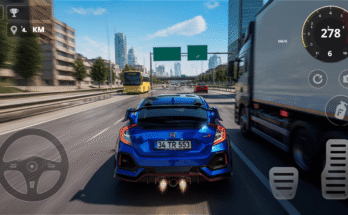
Okay, so picture this. I spent about two hours grinding coins in Custom Cars Online Drive, finally unlocked enough parts to build what I thought was going to be an absolute beast of a machine, and then I slapped everything together without any plan whatsoever. The result? A car that looked like someone had sneezed on a chassis. Terrible weight distribution, the wrong engine for the body I picked, and a paint job that honestly hurt my eyes. I took it out on the first track and got smoked by players who were clearly driving vehicles half the price of mine.
That was my wake-up call.
After that embarrassing session, I started paying actual attention to how the game works. I tested combinations, watched how other players built their rides, made more mistakes, and slowly figured out what actually matters. So if you are just starting or you have been playing for a while but still feel like your builds are not clicking, this guide is for you. Everything here comes from actual mistakes I made, so at least your embarrassment can be someone else’s fault.
Understanding the Build System Before You Spend Anything
The single biggest mistake new players make is spending their coins too early. I did it. Almost everyone does it. You get excited, you see a shiny engine or a cool body kit, and you just buy it without thinking about whether it actually fits your playstyle or the game modes you enjoy.
Custom Cars Online Drive has a layered build system where every part affects something else. Your engine choice influences your fuel consumption. Your body type changes how aerodynamics works. Your tires interact with the suspension setup. Nothing exists in isolation.
Before buying anything, go to the garage and spend time in the preview mode. This is a feature a lot of players overlook completely. You can swap parts in and out without confirming a purchase and see how the stats shift. Use this aggressively, especially before committing to expensive performance upgrades.
Learn the Stat Bars First
The game gives you stat indicators for speed, acceleration, handling, and durability. Early on, most players just chase the speed stat because it looks impressive. But speed without handling is like having a sports car with bald tires on a wet road. You will be fast in a straight line and spinning out everywhere else.
A balanced build almost always outperforms a lopsided one, especially in multiplayer modes where track variety is unpredictable.
Picking the Right Body for Your Goals

The body of your car is not just about looks. It sets the foundation for everything else. There are generally three body categories in Custom Cars Online Drive: lightweight frames, standard builds, and heavy chassis options.
Lightweight frames are great for acceleration-focused builds. They respond quickly, feel snappy in corners, and are perfect for shorter tracks with lots of twists. The downside is that they take more damage and can feel unstable at very high top speeds.
Standard builds are the all-rounders. These are what I recommend to beginners because they give you room to experiment without punishing you too hard for mistakes.
Heavy chassis cars are tanks. Slow to get moving, but once they are rolling, they hold their line well and survive contact better. These shine in endurance race modes and demolition-style events.
Pick your body based on where you plan to race. If you are grinding ranked modes, look at what tracks appear most often in rotation and choose accordingly.
Engine and Transmission Combos That Actually Work
Not all engine and transmission combinations are created equal. Some pairings that look great on paper feel awful when you actually drive them.
Here is something I learned after a lot of trial and error. A high-tier engine paired with a mid-tier transmission often performs better than a high-tier engine with a mismatched high-tier transmission. The reason is gear ratios. If your transmission is not tuned for the power output of your engine, you lose efficiency during gear shifts, and your acceleration curve feels choppy.
The Sweet Spot for Beginners
If you are early in the game and still saving up coins, focus on getting a reliable mid-range engine first and pair it with a transmission that is labeled as “sport” or “balanced” in the game’s shop. Avoid the “drag” transmission setups until you are specifically building a straight-line speed car. They cripple your cornering performance otherwise.
Tuning the Suspension and Tires (Most Players Skip This)
I skipped suspension tuning for my first month of playing. I thought it was some advanced mechanic that only min-maxers cared about. I was completely wrong.
Suspension settings control how your car reacts to bumps, corners, and sudden direction changes. In Custom Cars Online Drive, you can adjust stiffness and ride height. Running a stiff suspension on a bumpy track is painful. Your car bounces around, you lose control mid-corner, and your lap times suffer. Drop the stiffness a little for rough tracks and tighten it up for smooth circuits.
Tires are equally important. Soft compound tires give you more grip but wear out faster in longer races. Hard compound tires last longer but feel slippery early in a race until they warm up. Match your tire choice to the race length and track surface type.
Customizing the Look Without Hurting Performance
This is where the game gets really fun. Once you have a build that performs well, you can dig into the visual customization without stressing about stats.
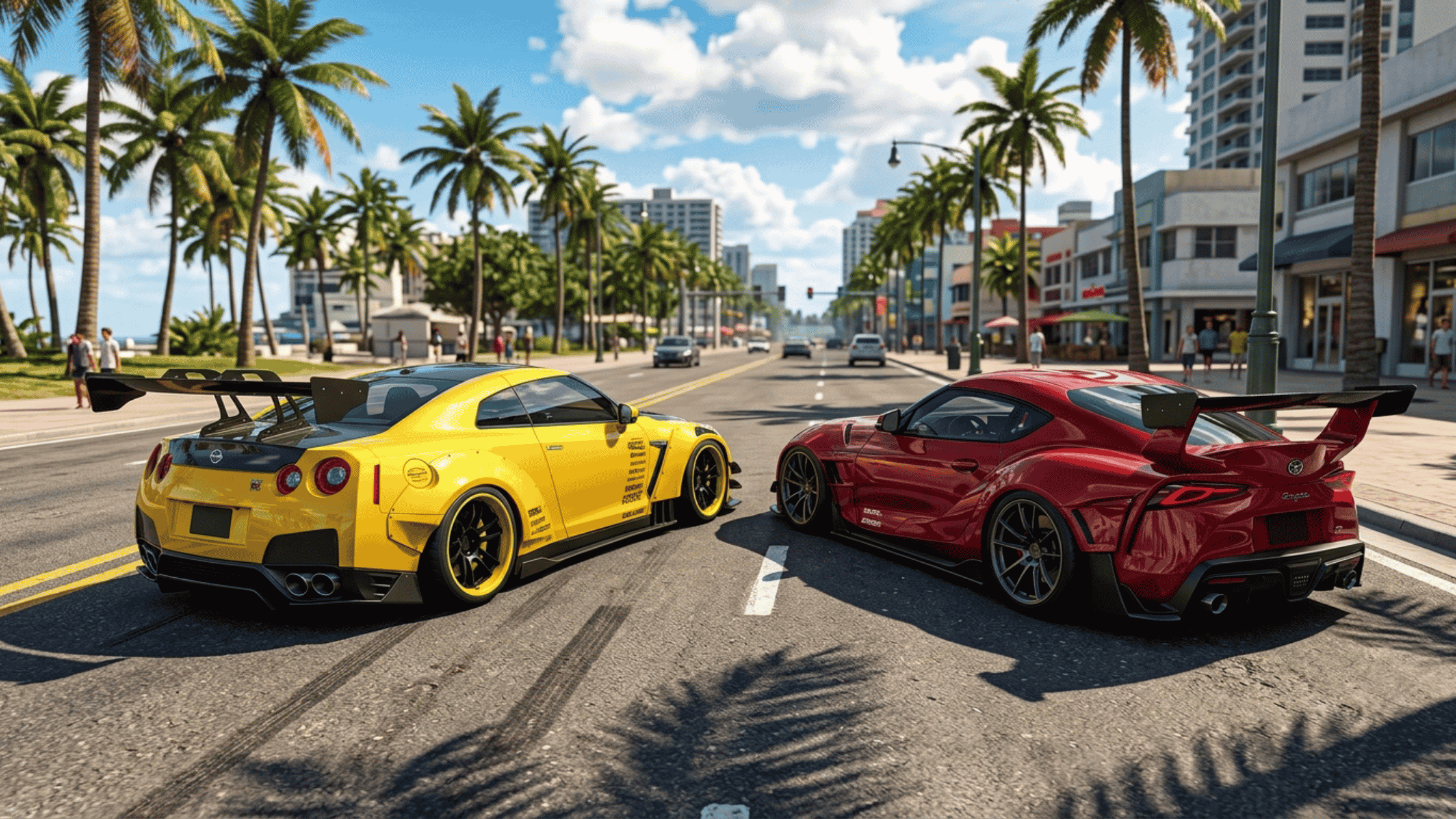
Custom Cars Online Drive has a surprisingly deep paint and decal system. You can layer colors, adjust metallic finishes, add custom decals, and even tweak wheel designs. None of this affects performance, so go wild.
One thing worth mentioning is that certain visual upgrades do come with hidden costs. Some body kits change your car’s aerodynamic profile slightly, even though they are categorized as cosmetic. Always check if your stats shift after applying a body kit, even a purely visual one.
Color Psychology in Multiplayer Lobbies
Okay, this is a bit of a random observation, but I have noticed that players with clean, intentional color schemes seem to get more respect in community lobbies. It sounds silly, but it is true. A car that looks like a professional build makes other players assume you know what you are doing. First impressions matter even in games.
Common Mistakes That Are Probably Holding You Back
Let me run through the errors I see constantly, including ones I made myself.
Buying the most expensive parts without checking compatibility is probably the most common one. The game does not always warn you clearly when parts are not ideal together. You have to develop the habit of checking yourself.
Ignoring the weight stat is another big one. Heavy builds accelerate slowly. If you are stacking armor and heavy body parts without a powerful enough engine to compensate, you will be the slowest car in every lobby.
Skipping test drives before multiplayer is something beginners do constantly. The practice track exists for a reason. Take your new build there first. Check how it corners, how it brakes, and how it handles at top speed. Adjust before you go online and embarrass yourself as I did.
Spending coins on cosmetics before locking in your core performance build is a trap. It feels great to have a beautiful car, but a beautiful car that loses every race is not satisfying for long.
Making the Most of Events and Limited-Time Rewards
Custom Cars Online Drive regularly runs events that offer exclusive parts, coins, and cosmetic rewards. These events are often the best way to get parts that would otherwise cost a fortune in the regular shop.
Pay attention to the event requirements. Some events are designed for specific build types, like lightweight cars or high-durability builds. Having versatile builds ready for different scenarios means you can participate in more events and stack rewards faster.
If you notice an event coming up that favors a build type you do not have, do not rush and spend everything to build one. Sometimes it is smarter to skip one event and save your resources for the next one that suits your existing setup.
Managing Your Garage Efficiently
As you progress, your garage fills up fast. Old builds, experimental parts, leftover pieces from upgrades. It becomes a mess quickly.
Set up a naming convention for your cars. Something simple like noting the build type and main purpose. This saves you a surprising amount of time when switching between builds during different game modes.
Sell parts you are never going to use. The game gives you coins back for selling, and holding onto parts you clearly have no plan for just clutters everything up.
A Few Things That Changed How I Play
After a lot of hours in this game, a few habits made the biggest difference for me.
Building around a purpose first, before thinking about looks or raw stats, changed everything. Deciding whether I want a competitive race car, a fun cruiser, or a dedicated event build gives me a clear direction. That single decision alone stops most of the resource wasting.
Watching how top players in multiplayer lobbies move through corners taught me more about handling tuning than any guide I read. If someone is consistently faster than me, I pay attention to how their car behaves and try to figure out what they are doing differently.
Patience is honestly the hardest skill to develop in games like this. The urge to spend everything immediately is strong, but the players with the best builds are almost always the ones who planned over time and did not rush.
One Last Thing Before You Head Out
Custom Cars Online Drive is one of those games that rewards you for slowing down and thinking before acting. Your dream car is not built in one session, and it is probably not going to look or feel the way you imagined on your first try.
That is actually part of what makes it fun. Tweaking a build, testing it, realizing something is off, and going back to fix it is a loop that keeps pulling you back in. The more you understand the mechanics, the more creative you can get with your builds.
Start with a clear purpose, learn the parts before spending your coins, tune your suspension and tires for each track type, and do not neglect the practice mode. Follow those basics, and you are already ahead of most players in any lobby you join.
Good luck out there. I will see you on the track, probably still tweaking my suspension settings right before the race starts.