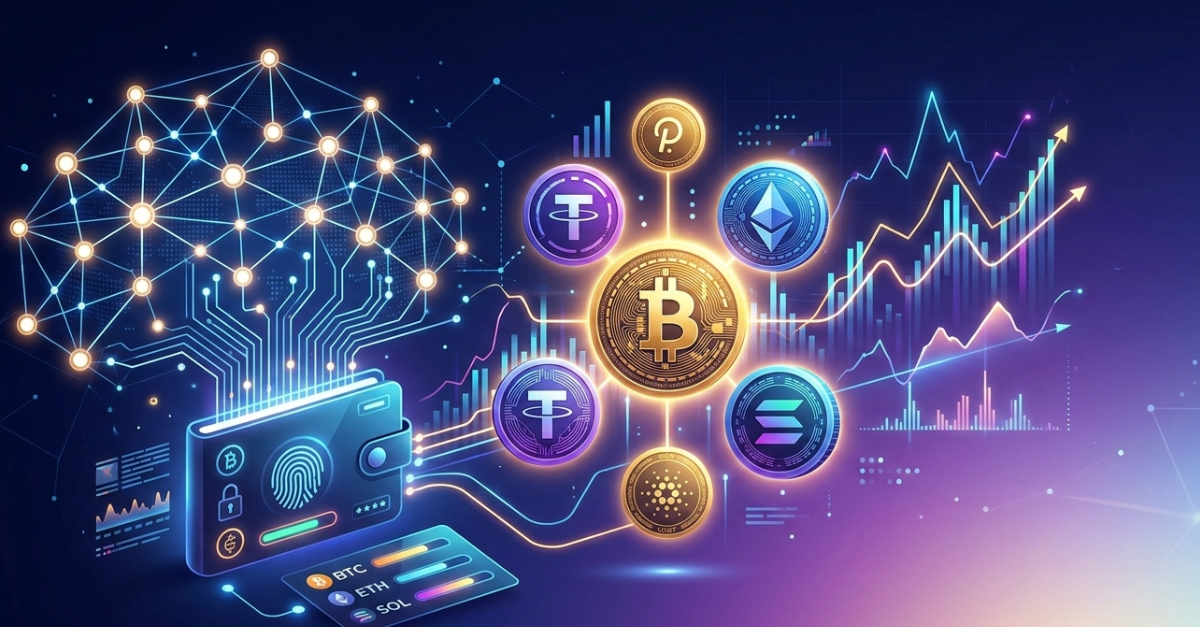
Introduction: Beyond Bitcoin – A Multi-Asset Digital Revolution NFTs
Page scrol down click next
page 3/3
The cryptocurrency landscape has evolved dramatically since Bitcoin’s mysterious inception in 2009. What began as an zeetrads obscure digital experiment has blossomed into a trillion-dollar asset class reshaping global finance. Today’s digital asset ecosystem extends far beyond simple cryptocurrency holdings, encompassing decentralized finance, tokenized assets, smart contracts, and entirely new economic models. For traders and investors, this represents NFTs both unprecedented opportunity and complex new challenges requiring specialized knowledge and adaptive strategies.
Section 1: The Expanding Cryptocurrency Universe Cryptocurrency & Digital Assets
Beyond Bitcoin and Ethereum
While Bitcoin remains the flagship cryptocurrency and NFTs Ethereum the dominant smart contract platform, today’s ecosystem includes thousands of digital assets with distinct purposes:
Layer 1 Protocols: Competing blockchain foundations like Solana (high-speed transactions), Cardano (academic approach), and Avalanche (subnet flexibility) offer alternatives to Ethereum’s network.
DeFi Tokens: Uniswap’s UNISWAP, Aave’s AAVE, and Compound’s COMP tokens govern decentralized financial protocols, offering both utility and governance rights.
NFT-Focused Chains: Flow and Tezos specialize in digital collectibles and creator economies with lower environmental impact.
Privacy Coins: Monero and Zcash offer enhanced anonymity NFTs features for transactions requiring confidentiality.
The Institutional Adoption Wave
Major financial institutions have transitioned from cryptocurrency NFTs skeptics to active participants:
- Traditional Finance Enters: BlackRock, Fidelity, and Goldman Sachs now offer cryptocurrency exposure to institutional clients
- Corporate Balance Sheets: Companies like MicroStrategy and Tesla have allocated significant portions of treasury to Bitcoin
- Payment Integration: PayPal, Visa, and Mastercard enable NFTs cryptocurrency transactions for millions of merchants
- Regulatory Evolution: Clearer frameworks in jurisdictions like Singapore, Switzerland, and the UAE provide institutional comfort
Section 2: The Game-Changer: Bitcoin ETFs
What Are Cryptocurrency ETFs and Why They Matter
Exchange-Traded Funds (ETFs) tracking Bitcoin represent perhaps the NFTs most significant development for traditional investor access: Cryptocurrency & Digital Assets
How They Work: These funds hold actual Bitcoin while offering shares traded on traditional stock exchanges, eliminating the need for digital wallets, private keys, or cryptocurrency exchanges.
Current Landscape: Following SEC approvals in early 2024, multiple Bitcoin ETFs now trade with billions in assets under management. Ethereum ETFs are poised to follow.
Trading Implications:
- 24/5 trading accessibility through conventional brokerage accounts
- Enhanced liquidity and price discovery mechanisms
- Regulatory oversight and investor protections
- Lower barriers for retirement account allocations (IRAs, 401ks)
Strategic Considerations for ETF Traders Cryptocurrency & Digital Assets
- Premiums/Discounts to NAV: Unlike traditional ETFs, cryptocurrency ETFs may trade at significant premiums or discounts to their net asset value
- Contango Concerns: Futures-based ETFs face “roll costs” during upward-sloping futures curves
- Custody Differences: Physically-backed versus synthetically-backed structures carry distinct risk profiles
Section 3: Decentralized Finance (DeFi): The Parallel Financial System Cryptocurrency & Digital Assets
Understanding DeFi’s Core Components
DeFi reconstructs traditional financial services without centralized intermediaries:
Decentralized Exchanges (DEXs): Platforms like Uniswap and Curve allow peer-to-peer trading through automated liquidity pools rather than order books.
Lending Protocols: Aave and Compound enable users to lend or borrow assets algorithmically, with rates determined by supply and demand.
Yield Farming: Providing liquidity to DeFi protocols can generate returns significantly higher than traditional savings, though with corresponding risks.
Stablecoins: Algorithmic and collateral-backed digital dollars (USDC, DAI) serve as the primary medium of exchange within DeFi ecosystems.
Trading Opportunities and Risks in DeFi
Opportunities:
- Cross-protocol arbitrage as rates vary between platforms
- Governance token accumulation during protocol growth phases
- Liquidity mining during new protocol launches
Critical Risks:
- Smart contract vulnerabilities leading to exploits (over $3 billion lost in 2022)
- Impermanent loss for liquidity providers during volatile markets
- Regulatory uncertainty regarding decentralized protocols
- Protocol dependency risks (Ethereum network congestion affects all DeFi built upon it)
Section 4: NFTs: From Digital Art to Financial Instruments
The Evolution of Non-Fungible Tokens
NFTs have expanded far beyond profile pictures and digital art:
Financialization of NFTs:
- Fractional Ownership: Platforms like Fractional.art allow investors to own portions of high-value NFTs
- NFT Lending: Using NFTs as collateral for cryptocurrency loans through protocols like NFTfi
- Derivative Products: NFT indexes and futures emerging for portfolio diversification
Utility-Focused Applications:
- Gaming Assets: True ownership of in-game items across platforms
- Real-World Asset Tokenization: Property, art, and collectibles represented as NFTs
- Membership and Access: NFT-gated communities and experiences
Trading Strategies in NFT Markets
- Blue Chip Accumulation: Focus on historically significant collections with established communities
- Mint Participation: Strategic involvement in carefully vetted new project launches
- Metadata Analysis: Evaluating rarity traits and community sentiment for valuation
- Cross-Market Arbitrage: Capitalizing on price differences between OpenSea, LooksRare, and Blur marketplaces
Section 5: Advanced Cryptocurrency Trading Strategies
Technical Analysis Adaptation
Cryptocurrency markets require modified technical approaches:
24/7 Market Considerations: Traditional opening/closing gaps don’t exist, changing gap analysis significance
On-Chain Metrics Integration:
- Exchange Flows: Monitoring movements between exchanges and private wallets
- Holder Concentration: Analyzing distribution among whale, retail, and institutional addresses
- Network Activity: Transaction counts, active addresses, and gas fees as sentiment indicators
Volatility Management: Cryptocurrencies typically exhibit 3-5x the volatility of major stock indices, requiring adjusted position sizing and stop-loss approaches.
Derivatives and Structured Products
- Perpetual Swaps: The dominant derivative product, offering leverage without expiry dates
- Options Strategies: Growing markets for both Bitcoin and Ethereum options on Deribit and traditional platforms
- Volatility Products: Instruments allowing traders to speculate on or hedge against cryptocurrency volatility specifically
Section 6: Risk Management in Digital Asset Trading
Unique Digital Asset Risks
Custodial Risks:
- Exchange failures (Mt. Gox, FTX)
- Private key loss or theft
- Smart contract vulnerabilities
Market Structure Risks:
- Lower liquidity in altcoin markets
- Market manipulation concerns in unregulated venues
- Fork-related uncertainties
Regulatory Risks:
- Evolving global regulatory frameworks
- Tax treatment variations by jurisdiction
- Potential bans or restrictions in major economies
Essential Risk Mitigation Practices Cryptocurrency & Digital Assets
- Secure Storage Solutions: Cold wallets for long-term holdings, multi-signature arrangements for significant amounts
- Diversification Approaches: Across asset types, protocols, and storage methods
- Position Sizing Discipline: Reduced allocations relative to traditional assets due to volatility
- Continuous Education: Rapidly evolving space requiring ongoing learning
Section 7: The Future Frontier: Web3 and Tokenization
Emerging Trends to Monitor
Real-World Asset (RWA) Tokenization:
- Traditional assets (real estate, commodities, equities) represented on blockchain
- Potential for fractional ownership of previously illiquid assets
- Estimated to grow into a $10+ trillion market by 2030
Web3 Infrastructure Investments:
- Decentralized storage (Filecoin, Arweave)
- Oracle networks (Chainlink)
- Cross-chain interoperability protocols
Central Bank Digital Currencies (CBDCs):
- Government-issued digital currencies
- Potential impacts on cryptocurrency adoption and regulation
- Privacy and control implications
Conclusion: Strategic Positioning for the Digital Asset Future
The cryptocurrency and digital asset sector has matured from speculative fringe to financial mainstream, yet maintains its disruptive potential. Successful navigation requires:
- Balanced Exposure: Combining established assets (Bitcoin, Ethereum) with selective allocations to innovative protocols
- Hybrid Approach: Leveraging both traditional vehicles (ETFs) and native crypto instruments (DeFi, direct holdings)
- Continuous Adaptation: Recognizing that today’s leading protocols may be disrupted by tomorrow’s innovations
- Risk-Aware Mindset: Appreciating the sector’s unique risks while strategically participating in its growth
The digital asset revolution represents the most significant financial innovation since the creation of joint-stock companies. Like early internet investments, it combines extraordinary potential with substantial uncertainty. Traders who develop specialized knowledge, implement rigorous risk management, and maintain adaptive strategies stand to benefit disproportionately as this new financial paradigm continues to unfold.
Disclaimer: This article is for informational purposes only and does not constitute financial advice. Cryptocurrency and digital asset investments carry substantial risk, including possible total loss. Always conduct your own research and consider consulting with a qualified financial advisor before making investment decisions.
Cryptocurrency & Digital Assets: The Complete 2024 Trader’s Roadmap from Blockchain Basics to Advanced Web3 Strategies
Introduction: Navigating the Digital Gold Rush
The digital asset revolution has fundamentally transformed the financial landscape, creating unprecedented opportunities for traders who understand how to navigate this dynamic ecosystem. What began with Bitcoin’s promise of decentralized currency has evolved into a complex multiverse of cryptocurrencies, decentralized finance protocols, non-fungible tokens, and tokenized real-world assets. For the modern trader, this represents both extraordinary potential and significant complexity—a frontier where traditional financial wisdom intersects with groundbreaking technological innovation. This comprehensive guide explores the entire spectrum of digital asset trading, providing you with the knowledge framework to participate confidently in what may become the most significant financial transformation of our generation.
The Expanding Cryptocurrency Ecosystem: Beyond the Basics
The cryptocurrency universe has expanded far beyond its initial boundaries, creating specialized assets for every imaginable financial function. While Bitcoin remains the digital gold standard—valued primarily as a store of value and inflation hedge—and Ethereum serves as the foundational layer for smart contracts and decentralized applications, hundreds of other projects now compete in specialized niches.
Layer-1 Blockchains like Solana, Cardano, and Avalanche offer alternatives to Ethereum, each with distinct tradeoffs between scalability, security, and decentralization. Layer-2 Scaling Solutions including Polygon, Arbitrum, and Optimism build upon Ethereum to provide faster, cheaper transactions while maintaining security. DeFi Governance Tokens like UNI (Uniswap), AAVE (Aave), and COMP (Compound) represent ownership and voting rights in decentralized protocols that are rebuilding financial services from the ground up. Privacy-Focused Coins including Monero and Zcash address the transparency limitations of public blockchains, while Meme Coins like Dogecoin and Shiba Inu demonstrate the powerful role of community and narrative in cryptocurrency valuation.
Understanding this ecosystem requires more than just price tracking—it demands comprehension of technological fundamentals, network effects, developer activity, and community engagement. The most successful traders monitor GitHub repositories for development progress, analyze on-chain metrics for network health, and participate in governance discussions to anticipate protocol changes before they impact markets.
The Institutional Wave: Mainstream Adoption Accelerates
The institutional embrace of digital assets represents a critical phase transition for the entire ecosystem. Major financial institutions that once dismissed cryptocurrencies as speculative curiosities now actively develop products and services for this emerging asset class. This institutional participation provides both validation and liquidity, fundamentally changing market dynamics.
Traditional Finance Integration manifests through multiple channels: major asset managers like BlackRock and Fidelity now offer cryptocurrency investment products; payment giants including PayPal, Visa, and Mastercard enable cryptocurrency transactions; and corporate treasuries increasingly allocate to Bitcoin as a treasury reserve asset. This institutional participation brings sophisticated risk management practices, regulatory compliance frameworks, and longer investment time horizons that help stabilize previously volatile markets.
Regulatory clarity continues to evolve across jurisdictions, with regions like Singapore, Switzerland, and the United Arab Emirates establishing themselves as innovation-friendly hubs. Even cautious regulators in the United States and European Union are developing frameworks that acknowledge digital assets as legitimate financial instruments while addressing concerns about investor protection, market integrity, and illicit finance. For traders, this means navigating an increasingly structured but still evolving regulatory landscape where compliance becomes a competitive advantage rather than an afterthought.
Bitcoin ETFs: The Gateway for Traditional Capital
The approval of spot Bitcoin Exchange-Traded Funds (ETFs) in early 2024 represents arguably the most significant development for traditional investor access to cryptocurrency markets. These regulated investment vehicles allow investors to gain Bitcoin exposure through conventional brokerage accounts without the technical complexities of direct ownership.
Understanding ETF Structures reveals important distinctions between physically-backed funds that hold actual Bitcoin and synthetically-backed products that use derivatives to track prices. Each approach carries different counterparty risks, cost structures, and tax implications. Additionally, the “creation/redemption” mechanism that typically keeps traditional ETF prices aligned with underlying assets operates differently in the cryptocurrency context, sometimes leading to persistent premiums or discounts.
Trading Implications of cryptocurrency ETFs extend beyond simple accessibility. These instruments enable new strategies including: arbitrage between ETF shares and underlying Bitcoin; tactical allocations within retirement accounts that previously prohibited direct cryptocurrency ownership; and sophisticated options strategies that leverage established equity options markets rather than less developed cryptocurrency derivatives platforms. Importantly, ETF flows have become a crucial indicator of institutional sentiment, with daily inflow/outflow data providing insights into broader market dynamics.
DeFi: The Parallel Financial System
Decentralized Finance represents the most ambitious application of blockchain technology—rebuilding the entire financial infrastructure without centralized intermediaries. From lending and borrowing to trading and insurance, DeFi protocols automate financial services through transparent, programmable smart contracts.
Core DeFi Components include decentralized exchanges (DEXs) like Uniswap that use automated market makers rather than order books; lending platforms such as Aave and Compound that algorithmically match borrowers and lenders; yield aggregators like Yearn Finance that optimize returns across protocols; and synthetic asset platforms including Synthetix that create blockchain-based derivatives of real-world assets. Each protocol generates its own economic dynamics, with token incentives, fee structures, and governance mechanisms creating complex interdependencies.
Advanced DeFi Strategies move beyond simple yield farming to include: cross-protocol arbitrage capitalizing on temporary rate disparities; impermanent loss mitigation techniques for liquidity providers; delta-neutral strategies using derivatives to hedge positions; and governance token accumulation during protocol upgrades or fee-sharing implementations. However, these sophisticated approaches require deep understanding of smart contract risks, including potential vulnerabilities, oracle manipulation, and governance attacks that have led to billions in losses.
NFTs: From Digital Collectibles to Financial Instruments
Non-Fungible Tokens have evolved from simple digital art and profile pictures to sophisticated financial instruments with diverse utility. While the speculative frenzy of 2021 brought mainstream attention, the underlying technology continues to develop meaningful applications across industries.
Financialization of NFTs has created entirely new markets: fractional ownership platforms divide valuable NFTs into tradeable shares; NFT lending protocols allow collectors to borrow against their digital assets; NFT indexes provide diversified exposure to the asset class; and derivatives markets enable speculation on NFT price movements without direct ownership. These innovations transform NFTs from illiquid collectibles into components of broader investment portfolios.
Utility-Focused Applications demonstrate NFTs’ versatility beyond speculation: gaming platforms use NFTs for truly owned in-game assets that persist across games; event ticketing systems leverage NFTs for anti-scalping mechanisms and fan engagement; real estate platforms tokenize property ownership for fractional investment; and education providers issue verifiable credentials as NFTs. Each application creates distinct trading opportunities based on utility value rather than purely speculative demand.
Advanced Trading Strategies for Digital Assets
Cryptocurrency markets require adaptation of traditional trading approaches alongside development of entirely new methodologies suited to this 24/7, global, and highly volatile environment.
Technical Analysis Adaptation addresses unique market characteristics: 24/7 trading eliminates traditional opening gaps while creating continuous volatility; on-chain metrics including exchange flows, holder concentration, and network activity provide fundamental insights not available in traditional markets; and liquidity fragmentation across hundreds of exchanges requires specialized order routing strategies. Successful traders combine traditional chart patterns with blockchain analytics to develop multidimensional market views.
Derivatives Proliferation has created sophisticated instruments including perpetual swaps (the dominant cryptocurrency derivative), options with varying expiry structures, volatility products tracking the crypto fear and greed index, and structured products offering principal protection or enhanced yields. Each instrument requires understanding of funding rates, basis relationships, and the unique settlement mechanisms of cryptocurrency derivatives.
Quantitative Approaches leverage the transparent, data-rich nature of blockchain networks to develop algorithmic strategies: market-making algorithms profit from bid-ask spreads across fragmented liquidity; statistical arbitrage identifies temporary price dislocations between correlated assets; and sentiment analysis processes social media, news, and on-chain data to predict market movements. These approaches require specialized infrastructure including direct exchange connectivity, low-latency data feeds, and secure execution environments.
Risk Management in a New Paradigm
Digital assets introduce novel risks alongside amplified versions of traditional financial risks, requiring comprehensive risk frameworks specifically designed for this asset class.
Custodial Considerations represent perhaps the most significant departure from traditional finance: private key management creates absolute ownership but also absolute responsibility; exchange counterparty risk remains substantial despite improving institutional custody solutions; and smart contract risk introduces potential vulnerabilities in even extensively audited protocols. Mitigation strategies include multi-signature arrangements, hardware wallet adoption, insurance products, and deliberate diversification across custody solutions.
Market Structure Risks include: liquidity fragmentation across numerous trading venues with varying regulations; potential market manipulation in less regulated environments; and “black swan” events like network forks or protocol failures that can create sudden, extreme volatility. Successful traders implement circuit breakers, position size limits, and scenario analysis that accounts for these unique vulnerabilities.
Regulatory Uncertainty persists despite increasing clarity, with potential tax treatment changes, jurisdiction-specific restrictions, and evolving security classifications. The most resilient approaches maintain regulatory flexibility through geographic diversification, conservative compliance postures, and active engagement with policy developments.
The Future Frontier: Web3 and Tokenization
Emerging trends suggest the next phase of digital asset evolution will further blur boundaries between traditional and blockchain-based finance while creating entirely new market structures.
Real-World Asset Tokenization represents perhaps the largest potential market, with projections suggesting trillions in value may eventually migrate to blockchain representation. Real estate, commodities, private equity, and even intellectual property can be divided into tradeable digital tokens, increasing liquidity while reducing transaction costs. Early examples include tokenized treasury bills, real estate investment trusts, and carbon credits—each creating new trading instruments and arbitrage opportunities between traditional and tokenized markets.
Web3 Infrastructure Investments extend beyond application-layer tokens to the foundational technologies enabling the next generation of decentralized internet: decentralized storage networks like Filecoin and Arweave; oracle services including Chainlink that connect blockchains to real-world data; identity solutions such as ENS (Ethereum Name Service); and interoperability protocols that enable communication between disparate blockchain networks. These infrastructure plays often follow different valuation models than application tokens, with metrics including network capacity, utilization rates, and protocol revenue taking precedence over user growth.
Central Bank Digital Currencies (CBDCs) represent the governmental response to cryptocurrency innovation, with over 90% of central banks actively researching or developing digital versions of their national currencies. While philosophically opposed to decentralized cryptocurrencies, CBDC implementation will likely accelerate digital payment infrastructure that may ultimately benefit the broader digital asset ecosystem. Traders must monitor CBDC developments for potential impacts on monetary policy transmission, banking sector disintermediation, and privacy considerations that could drive adoption of decentralized alternatives.
Conclusion: Strategic Positioning for the Digital Future
The digital asset revolution continues to accelerate, driven by technological innovation, institutional adoption, and generational wealth transfer favoring digital-native assets. Successful participation requires more than speculative enthusiasm—it demands technical understanding, rigorous risk management, regulatory awareness, and strategic patience.
The most resilient approaches combine: core positions in established assets like Bitcoin and Ethereum; tactical allocations to emerging protocols with strong fundamentals; diversified exposure across sectors including DeFi, NFTs, and infrastructure; and continuous education to track this rapidly evolving space. While volatility remains elevated compared to traditional assets, it represents both risk and opportunity for informed participants.
As blockchain technology increasingly integrates with traditional finance, the distinction between “crypto” and “traditional” assets will likely blur, creating a hybrid financial system with unprecedented transparency, efficiency, and accessibility. Traders who develop expertise today position themselves not merely for the next market cycle, but for a fundamental transformation of global finance that may unfold over decades. The digital asset frontier remains challenging, complex, and occasionally chaotic—but for those willing to navigate its complexities, it represents one of the most significant financial opportunities of our time.
Disclaimer: This article represents educational content only and does not constitute financial advice, recommendation, or endorsement of any specific investment strategy. Digital asset investments carry substantial risk including total loss of capital. Market conditions change rapidly, and past performance never guarantees future results. Always conduct independent research and consider consulting qualified financial and legal professionals before making investment decisions.
Official & Foundational Resources
Regulatory & Institutional
- SEC Bitcoin ETF Approvals: SEC.gov – Spot Bitcoin-ETP Approvals (Official statement)
- Fidelity Digital Assets: Fidelity.com – Digital Assets (Institutional platform)
- BlackRock Bitcoin ETF (IBIT): BlackRock.com – iShares Bitcoin Trust (Official product page)
On-Chain Data & Analytics
- Glassnode: Glassnode.com (Institutional-grade blockchain data)
- Coin Metrics: CoinMetrics.io (Network data & research)
- Dune Analytics: Dune.com (Community dashboards & queries)
- Ethereum Metrics: Etherscan.io (Ethereum blockchain explorer)
Market Data & Research
- CoinGecko: CoinGecko.com (Comprehensive crypto data)
- CoinMarketCap: CoinMarketCap.com (Market caps & rankings)
- DeFi Llama: DeFiLlama.com (DeFi TVL & analytics)
- Messari: Messari.io (Crypto research reports)
Protocol & Platform Official Links
Layer-1 Blockchains
- Solana: Solana.com
- Cardano: Cardano.org
- Avalanche: Avalanche.network
Layer-2 Solutions
- Polygon: Polygon.technology
- Arbitrum: Arbitrum.io
- Optimism: Optimism.io
DeFi Protocols
- Uniswap: Uniswap.org
- Aave: Aave.com
- Compound: Compound.finance
- Curve Finance: Curve.fi
NFT Marketplaces
- OpenSea: OpenSea.io
- Blur: Blur.io
- Foundation: Foundation.app
Educational & News Resources
- CoinDesk: CoinDesk.com (Crypto news)
- The Block: TheBlock.co (Research & news)
- Bankless: Bankless.com (Web3 education)
- a16z Crypto: a16z.com/crypto (Venture perspective)
Risk & Security
- DeFi Safety: DeFiSafety.com (Protocol audits)
- CertiK: CertiK.com (Security audits)
- Ledger Academy: Ledger.com/academy (Security education)
- Crypto Scam Database: CryptoScamDB.org
Government & Standards
- FinCEN Virtual Currency Guidance: FinCEN.gov – Virtual Currency
- IRS Virtual Currency Guidance: IRS.gov – Virtual Currencies
- ISO Crypto Standards: ISO.org – TC 307 Blockchain
Academic & White Papers
- Bitcoin Whitepaper: Bitcoin.org/bitcoin.pdf
- Ethereum Whitepaper: Ethereum.org/whitepaper
- Nakamoto Institute: NakamotoInstitute.org (Classic crypto texts)
Tools & Utilities
- Ethereum Gas Tracker: Etherscan.io/gastracker
- Token Approval Checker: Etherscan.io/tokenapprovalchecker (Security tool)
- Crypto Fees: CryptoFees.info (Protocol revenue)