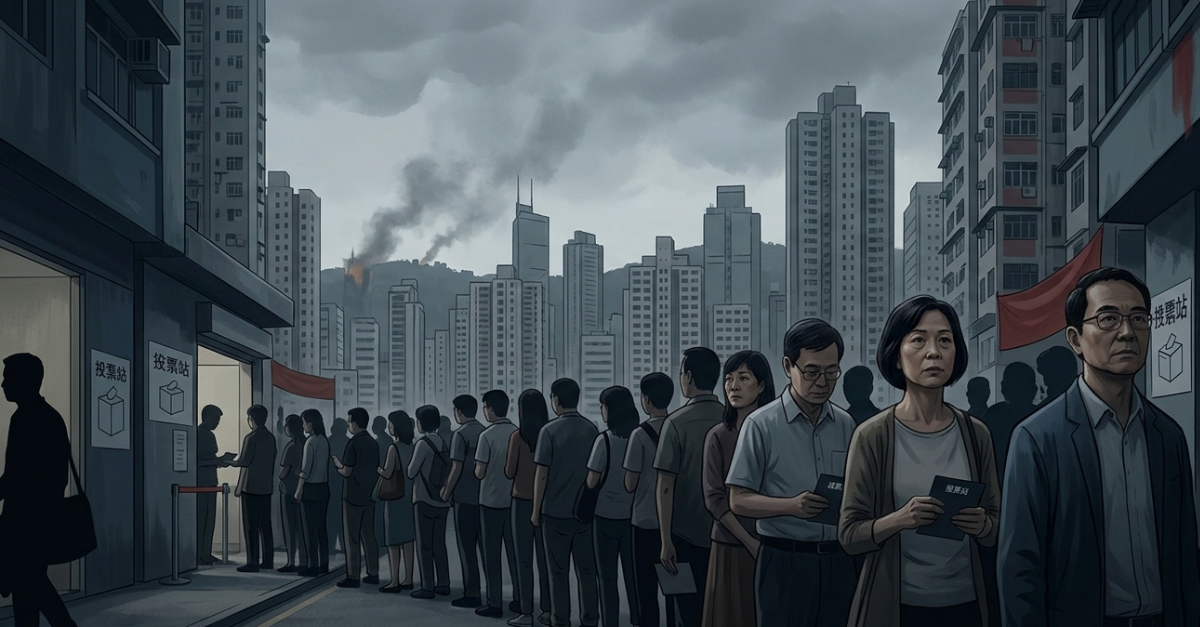
Hong Kong Election Fire: A Vote Under the Shadow of Tragedy

The Hong Kong election fire has cast a somber mood over the city as voters head to the polls. A devastating blaze in Tai Po recently claimed more than 150 lives, leaving communities grieving and questioning safety standards. This tragedy has shaped not only public sentiment but also the tone of the 2025 Legislative Council election.
Why the Hong Kong Election Fire Matters for Voters
The fire exposed long-standing safety issues in older residential buildings, including blocked exits, poor emergency lighting, and faulty construction materials. Many residents feel these concerns were neglected for years, raising questions about government accountability and regulatory oversight.
Internal link: Learn more about Hong Kong’s political system.
External DoFollow link: Official fire safety guidelines — Hong Kong Fire Services Department.
During this period of grief, the Hong Kong election fire has made safety reforms a top priority for voters, alongside traditional topics like housing, healthcare, and economic recovery.
Impact on Voter Turnout
Public grief and frustration have influenced voter behavior. Some residents report they are too emotionally affected to voteHong Kong Election Fire, while others see participation as a civic duty, hoping legislators will act on safety reforms.
“The fire showed us what happens when warnings are ignored,” said a Tai Po resident. “Voting feels like the only way to make our voices heard.”
The tragedy may also lead to a shift in turnout patterns, with residents in affected districts potentially voting in higher numbers to demand change.
Campaign Adjustments After the Hong Kong Election Fire
Political campaigns were paused immediately following the fire. Candidates lowered banners, canceled rallies, and focused messaging on crisis response, building safety, and emergency preparedness.
The Hong Kong election fire has thus shifted campaigns from traditional politics to a discussion about safety, accountability, and rebuilding public trust.
External DoFollow link: Read global building safety standards — United Nations Habitat.
Government Response and Public Expectations
The Hong Kong government acted quickly, offering financial aid, temporary shelters, and counseling services. Officials also promised an investigation into the fire.
However, residents demand stronger structural reforms:
- Comprehensive audits of older buildings
- Stricter fire code enforcement
- Transparency in renovation approvals
- Long-term redevelopment plans for aging districts
- Hong Kong Election Fire
Internal link: Learn about fire safety reforms in Hong Kong.
Conclusion: Healing and Accountability
The Hong Kong election fire is more than a political event; it is a reflection of public grief, resilience, and demand for change. Voters cast ballots not only to choose representatives but to signal the urgency of safety, accountability, and effective governance.
As Hong Kong moves forward, the lessons from this tragedy could reshape policy, inspire reforms, and remind leaders that public safety is non-negotiable.
Image ALT text reminder: Hong Kong election fire
Expanded Section: Community Response and Voter Sentiment
Beyond the immediate tragedy, the Hong Kong election fire has sparked a remarkable community response. Local organizations and volunteers have coordinated relief efforts, providing temporary housing, food, and emotional support to affected families. Vigils and memorials have been held across districts, showing solidarity and reminding residents that the community mourns together.
This collective grief has had a profound effect on voter sentiment. Many citizens report feeling torn between mourning and the responsibility to participate in the election. Younger voters, in particular, express a desire for meaningful reform, hoping elected officials will prioritize public safety, emergency preparedness, and transparency in government operations.
Political analysts note that while the election system remains tightly controlled, the Hong Kong election fire has given residents a platform to voice concerns, hold officials accountable, and potentially influence policy discussions regarding housing safety and urban planning.
Internal links suggestion: Learn more about Hong Kong’s legislative system
External DoFollow link suggestion: Global urban safety guidelines